The Benefits of Modular Process Skids in Construction Projects
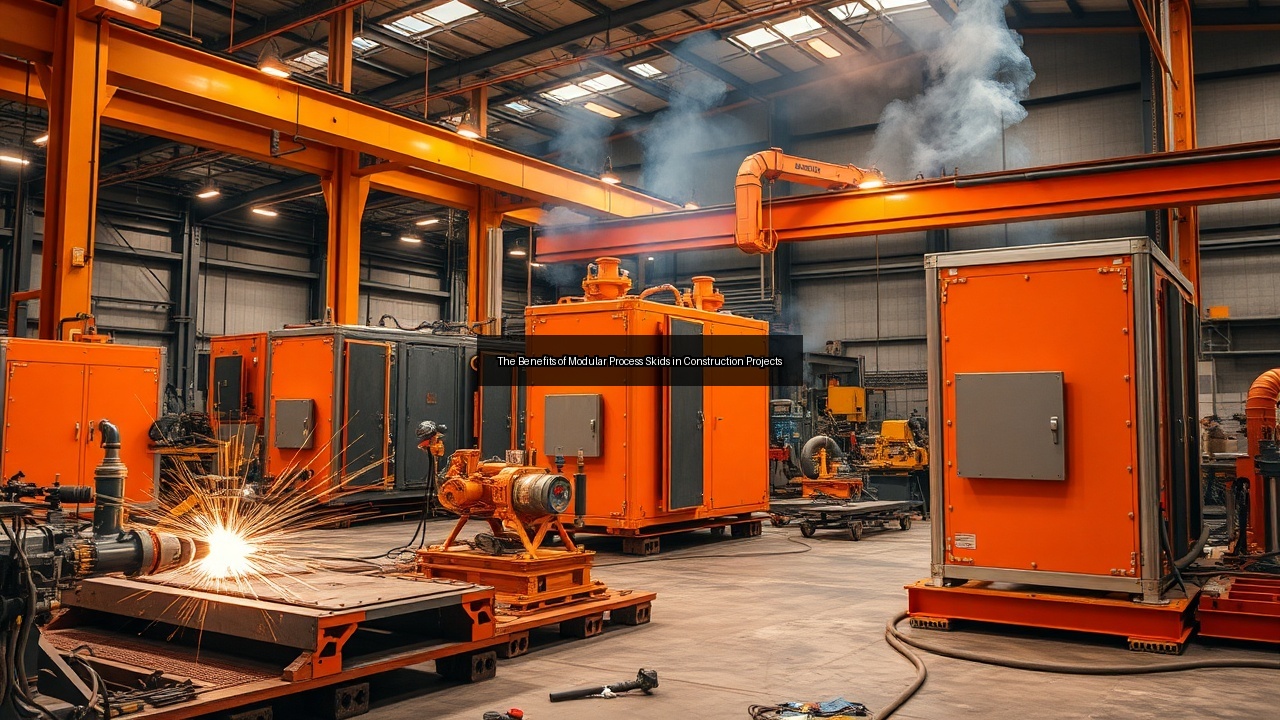
Understanding Modular Process Skids
What are Modular Process Skids?
Modular process skids represent a pivotal innovation in the construction and engineering sectors, particularly within the oil and gas industry. These pre-assembled systems streamline the deployment of complex processes, offering a compact and efficient solution for various operational needs. A modular process skid integrates multiple components into a single framework, allowing for expedited installation and reduced on-site construction time. This approach minimizes the need for extensive site modifications and enables quicker project completions, ultimately enhancing project timelines and reducing costs. By utilizing modular skids, companies can adapt to fluctuating demands and operational challenges while maintaining high efficiency.
Key Components of Modular Skids
Understanding the key components of modular skids is crucial for appreciating their functionality. These skids typically include valves, pumps, heat exchangers, and control panels—all housed within a durable framework designed for ease of transport and installation. The materials used in skid fabrication often consist of robust alloys, enabling them to withstand harsh environments, particularly in the oil and gas sector. Additionally, the modular nature of these systems allows for easy integration of new technologies and the customization of components to meet specific operational requirements. This flexibility makes modular process systems an attractive option for a variety of construction projects, enabling tailored solutions that address unique challenges.
Applications in the Oil and Gas Industry
Modular process skids find extensive applications in the oil and gas industry due to their adaptability and efficiency. These systems are commonly utilized in upstream, midstream, and downstream operations, including drilling, refining, and transportation. Their ability to simplify complex processes makes them ideal for managing the intricate tasks involved in extracting and processing hydrocarbons. For instance, modular skids can efficiently handle fluid transfer, separation processes, and chemical injection, minimizing downtime and enhancing productivity. As the industry continues to evolve, the demand for these innovative solutions grows, highlighting the importance of modular skids in achieving operational excellence and safety in challenging environments.
Benefits of Modular Process Skids in Construction
Cost-Effectiveness and Efficiency
Cost-effectiveness stands out as a primary advantage of modular process skids in construction projects. By prefabricating components off-site, manufacturers significantly reduce labor costs and construction time. This approach allows companies to allocate resources more effectively and minimize unnecessary expenditures. Additionally, the integration of modular skids simplifies logistics and reduces transportation costs, as these systems are built to be compact and easily transportable. The efficient design of modular skids also leads to faster project completion, enabling companies to start operations sooner and generate revenue more quickly. Overall, the financial benefits of using modular skids create a compelling case for their adoption across various construction applications.
Enhanced Safety Measures
Safety remains a paramount concern in construction, particularly in high-risk industries like oil and gas. Modular process skids enhance safety measures significantly. Their factory-based fabrication processes allow for rigorous testing and quality assurance before deployment, reducing the likelihood of on-site accidents. Furthermore, the compact design of modular skids minimizes the need for extensive site modifications, which often introduce additional hazards. Standardized components and systems within modular skids also streamline operations, allowing workers to focus on their tasks without the distractions associated with complex, on-the-fly assembly. Implementing modular skids contributes to a safer work environment, fostering a culture of safety and compliance throughout the construction process.
Improved Quality Control and Assurance
Quality control and assurance play critical roles in the success of construction projects, and modular process skids excel in these areas. The skid fabrication process allows for consistent quality across all components, as they undergo stringent testing and inspections in controlled environments. Each modular skid adheres to industry standards and regulations, ensuring that they perform reliably under demanding conditions. Additionally, the ability to customize modular skids means that manufacturers can incorporate advanced technologies and features that enhance performance and longevity. As a result, clients benefit from high-quality systems that reduce maintenance issues and improve overall operational efficiency. Enhanced quality assurance translates to minimized risks and maximized returns on investment in construction projects.
The Fabrication Process of Modular Skids
Design and Engineering Considerations
The design and engineering of modular skids require meticulous planning and expertise. Engineers must analyze the specific requirements of the project, including the intended application and environmental conditions. This analysis informs the selection of materials, components, and layout of the skid, ensuring optimal performance and durability. Advanced design software often aids this process, enabling designers to simulate various scenarios and assess the functionality of different configurations. Attention to detail during this stage lays the foundation for successful skid fabrication, as it directly impacts the efficiency, safety, and effectiveness of the final product. An adept design process incorporates feedback from cross-functional teams, ensuring that all aspects of the skid align with project goals and industry standards.
Welding Techniques and Technologies
Welding represents a critical component of the skid fabrication process, influencing the integrity and performance of modular skids. Manufacturers employ various welding techniques, including TIG, MIG, and stick welding, each selected based on the materials used and the structural requirements. Advanced technologies such as robotic welding systems enhance precision and consistency, reducing the risk of defects and improving overall quality. Skilled welders play a vital role in ensuring that joints are strong and leak-free, which is especially important in systems handling fluids in the oil and gas industry. Ongoing training and certification for welding personnel ensure that the highest standards are maintained throughout the fabrication process, reinforcing the reliability of modular skids.
Importance of Quality Management in Fabrication
Quality management in skid fabrication serves as a cornerstone for delivering reliable and efficient modular systems. Manufacturers must implement comprehensive quality control measures at every stage of the fabrication process, from initial design to final assembly. This includes regular inspections, testing protocols, and adherence to industry standards. Establishing a culture of quality within the fabrication shop fosters accountability and continuous improvement. By prioritizing quality management, companies minimize risks associated with equipment failure, enhance customer satisfaction, and build a reputation for excellence in the market. Robust quality assurance practices not only safeguard investments but also contribute to the long-term success of modular skid applications across various industries.
Choosing the Right Skid Fabrication Company
Factors to Consider in Selecting Manufacturers
Choosing the right skid fabrication company is crucial for achieving high-quality outcomes in construction projects. Several factors influence this decision, including the company's experience, expertise, and track record in the industry. Look for manufacturers with a proven history of successfully delivering modular process skids that meet specific operational needs. Additionally, assess the modular skid fabrication capabilities of the company in terms of technology and resources, as advanced fabrication techniques can significantly impact the quality and efficiency of the final product. Client testimonials and case studies provide valuable insights into the manufacturer's reliability and customer service. Engaging with potential manufacturers through consultations allows for a deeper understanding of their processes and how they align with project goals.
Licensing and Compliance in Skid Fabrication
Licensing and compliance represent critical elements in selecting a skid fabrication company. Ensure that the manufacturer holds the necessary certifications and complies with industry regulations. This includes adherence to safety standards, environmental regulations, and quality management systems. Working with a licensed skid fabricator mitigates risks associated with non-compliance, safeguarding both the project and the reputation of the company. Additionally, a compliant manufacturer demonstrates a commitment to best practices and ethical standards, which can enhance collaboration and trust throughout the project lifecycle. Conducting due diligence on licensing and compliance not only protects investments but also fosters long-term partnerships with reliable fabrication companies.
Expert Insights on Custom Skid Fabrication Services
Engaging with experts in custom skid fabrication services can provide invaluable insights into selecting the right solutions for specific project requirements. These professionals possess in-depth knowledge of the latest technologies, materials, and industry trends, enabling them to recommend the most effective strategies for skid design and manufacturing. Custom skid fabrication allows for tailored solutions that address unique operational challenges, enhancing efficiency and performance. Collaboration with expert fabricators during the design phase fosters innovation and ensures that all aspects of the skid align with the project's goals. By leveraging expert insights, companies can optimize their processes and achieve superior results in their construction projects.