Essential Factors to Consider When Choosing Pipe Fabrication Services
Understanding Pipe Fabrication Services
Overview of Pipe Fabrication
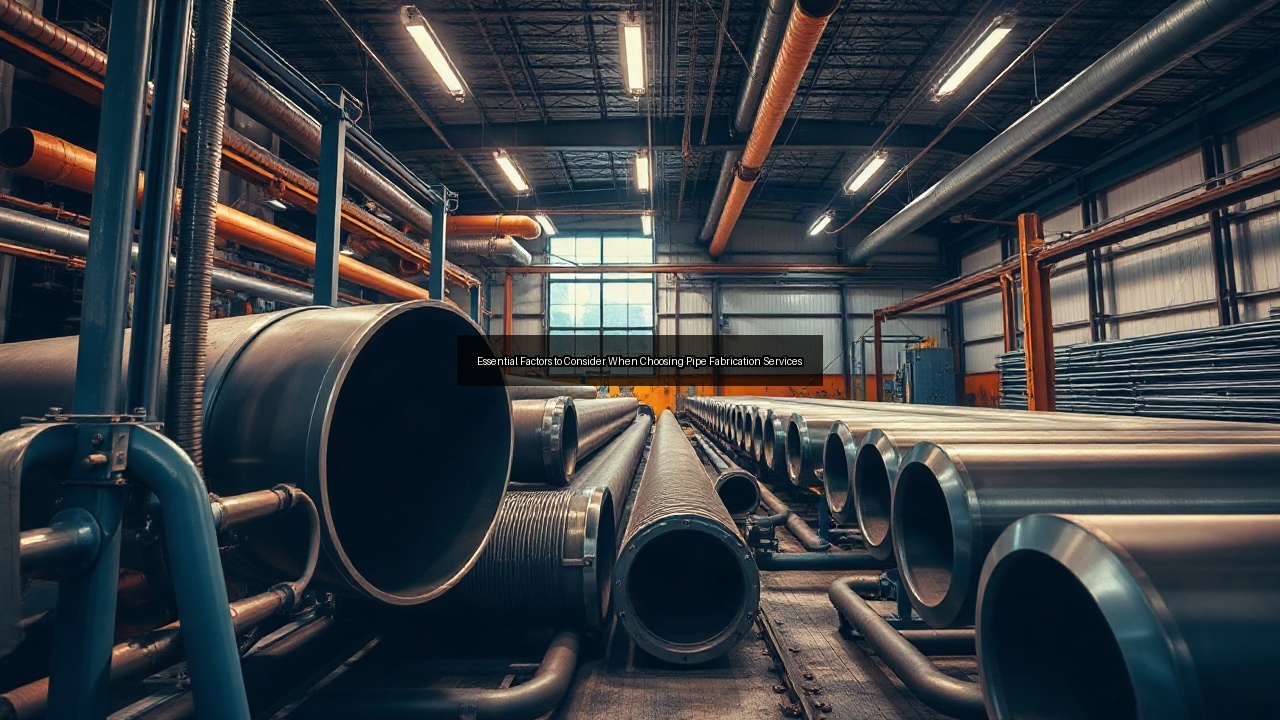
Pipe fabrication delivers custom-built piping systems that transport fluids, gases, and other materials across industrial sites. Skilled teams cut, bend, weld, and assemble steel pipe sections into precise configurations that match engineering drawings. Projects often involve creating headers that distribute flow evenly or complex spools that fit tight plant layouts. Pipe fabrication companies handle everything from small-diameter lines to large-diameter mains, ensuring each piece meets pressure ratings and flow requirements. Metal pipe fabrication crews use plasma cutters, rollers, and welding stations to shape raw stock into finished components ready for installation. These services support oil and gas fields, chemical plants, power stations, and water treatment facilities where standard off-the-shelf parts fall short. Fabricators also add flanges, elbows, and tees to complete runs that connect pumps, valves, and tanks without leaks. Quality checks at every stage prevent defects that could cause shutdowns later.
Effective pipe fabrication reduces field welding time and improves safety because most work happens in controlled shop environments. Teams coordinate material takeoffs, cut lists, and weld procedures before production starts. This approach keeps schedules tight and budgets predictable for plant owners who need reliable piping networks. Pipe fabrication shops maintain inventories of common steel grades so they can start work immediately once drawings receive approval.
Differences Between Pipe and Tube Fabrication
Pipe and tube fabrication serve different purposes even though both involve shaping hollow metal sections. Pipe carries fluids under pressure and follows nominal pipe size standards that prioritize inside diameter for flow calculations. Tube, by contrast, often functions in structural or heat-transfer roles where outside diameter and wall thickness matter more for load-bearing or heat exchange performance. Fabrication methods reflect these distinctions. Pipe fabrication crews focus on weld integrity and pressure testing to handle high-stress service. Tube fabrication emphasizes tight tolerances for fit within frames or exchangers. Steel pipe typically arrives in schedule-based wall thicknesses, while tube comes in gauge measurements that allow lighter or heavier walls depending on the application. Fabricators select different tooling for each product. Pipe bending machines accommodate larger radii to avoid wall thinning, whereas tube benders handle smaller diameters with greater precision. Welding pipe fabrication requires specific procedures for root passes and filler metals that maintain corrosion resistance inside the bore. Tube welding often prioritizes clean exterior finishes for visible architectural or mechanical assemblies. Understanding these differences helps project managers select the right pipe fabrication company when drawings specify either product.
Key Factors to Consider When Choosing a Pipe Fabrication Company
Experience and Expertise in Pipe Fabrication
Seasoned pipe fabrication companies bring decades of hands-on knowledge that directly affects project outcomes. Experienced fabricators recognize common pitfalls in spool design and adjust weld sequences to minimize distortion on large steel pipe assemblies. They maintain detailed records of past jobs involving similar pressures, temperatures, and media, which speeds up procedure qualification. Expertise also shows in the ability to interpret complex P&IDs and convert them into accurate fabrication packages that include material traceability and inspection hold points. Pipe fabrication shops with broad portfolios handle everything from simple straight runs to intricate headers that branch multiple lines into manifolds. Their welders hold certifications across processes such as GTAW, SMAW, and FCAW, allowing flexibility when codes change mid-project. Long-term clients value fabricators who train apprentices internally and retain senior personnel who understand metallurgy and fit-up tolerances. This depth of experience reduces rework and keeps delivery dates firm even when material lead times stretch.
Quality of Materials Used in Fabrication
Material quality determines how long fabricated piping lasts under operating conditions. Reputable pipe fabrication services source certified steel pipe from mills that supply mill test reports listing chemical composition and mechanical properties. They verify heat numbers against purchase orders before cutting begins. Stainless and carbon steel grades must match the specified corrosion allowances and temperature ranges. Fabricators also inspect incoming tube and pipe for straightness, ovality, and surface defects that could compromise welds. Proper storage prevents rust or contamination before fabrication starts. High-quality inputs allow welders to achieve consistent penetration and smooth internal surfaces that reduce flow resistance. Traceability extends through every step so owners can audit the supply chain years later if issues arise. Pipe fabrication companies that invest in material verification equipment demonstrate commitment to delivering durable systems rather than cutting corners on cheaper stock.
Certifications and Standards Compliance
Certifications prove that a pipe fabrication company follows recognized codes and maintains documented quality systems. ASME Section IX welder qualifications, API 1104 procedures, and ISO 9001 registration signal consistent process control. Compliance with NACE or ASTM standards ensures fabricated steel pipes resist sour service or specific environmental stresses. Pipe fabrication shops display current certificates in their quality manuals and make them available during prequalification. Third-party audits verify that weld maps, NDE reports, and hydrotest records meet client and regulatory expectations. Companies that hold these credentials attract work in regulated industries where failure carries heavy consequences. Owners benefit because certified fabricators already understand documentation requirements and avoid costly delays during final acceptance.
Evaluating the Capabilities of Pipe Fabrication Shops
Types of Steel Pipes and Their Applications
Steel pipes come in multiple grades that suit distinct operating environments. Carbon steel pipe handles high-pressure steam and hydrocarbons in refineries and power plants. Stainless steel pipe resists corrosion in food processing, pharmaceutical, and marine piping systems. Alloy steel pipe manages elevated temperatures in boiler headers and superheater lines. Pipe fabrication companies stock or quickly source these grades along with specialized coatings for buried or exposed runs. Each type requires tailored cutting speeds, preheat temperatures, and post-weld heat treatment. Fabricators match wall schedules to pressure ratings so the finished piping meets design codes without excess weight. Applications range from simple water mains to complex process headers that combine several steel pipe diameters into single assemblies. Understanding material properties helps engineers specify the correct pipe for both safety and cost efficiency.
Advanced Fabrication Techniques and Equipment
Modern pipe fabrication shops deploy CNC pipe profilers, orbital welding systems, and automated welding cells that increase accuracy and throughput. Laser and plasma cutters produce clean bevels on steel pipe ends that improve fit-up and reduce weld time. Hydraulic benders create consistent radii on large-diameter pipe without wrinkles or thinning. Shops also use coordinate measuring machines to verify spool dimensions before shipment. These tools allow pipe fabrication services to tackle intricate geometries that manual methods cannot achieve reliably. Welding pipe fabrication benefits from pulsed MIG and TIG processes that control heat input and minimize distortion on thin-wall tube and pipe. Investment in such equipment separates capable shops from basic operations and supports faster turnaround on large projects.
Cost Considerations in Pipe Fabrication Services
Understanding Pricing Models for Fabrication
Pipe fabrication companies quote work through several models. Fixed-price bids cover defined scopes with clear deliverables. Unit-rate pricing charges per weld, per linear foot, or per spool, which suits projects with uncertain quantities. Time-and-material arrangements work when scope evolves during engineering. Each model affects cash flow and risk allocation. Buyers compare total installed cost rather than fabrication price alone because efficient shops reduce field labor. Transparent quotes list material, labor, consumables, and testing separately so owners understand where the price originates. Pipe fabrication shops that provide detailed breakdowns build trust and allow accurate budget forecasting.
Factors Influencing the Price of Pipe Fabrication
Material grade drives a large portion of the price because stainless and alloy steel pipe cost more than carbon steel. Complexity increases labor hours when multiple bends, branches, and heat treatments appear in one spool. Volume discounts apply to repeat orders or large campaigns. Shop location affects freight and mobilization fees. Schedule compression raises overtime costs. Pipe fabrication companies also factor weld procedures, NDE requirements, and documentation into the final price. Buyers who provide complete drawings early receive more competitive quotes because fabricators can plan efficiently and avoid contingencies.
The Importance of Customer Support and Communication
Assessing Customer Reviews and Testimonials
Online reviews and project references reveal how pipe fabrication companies actually perform. Past clients comment on schedule adherence, weld quality, and responsiveness when changes occur. Positive testimonials often mention clear progress reports and proactive problem solving. Negative feedback highlights missed deadlines or poor documentation. Reviewing multiple sources gives a balanced view of reliability. Pipe fabrication shops that share case studies with photos of completed headers and piping runs demonstrate capability and transparency. Site visits to recent installations provide direct evidence of workmanship before contract award.
The Role of Effective Communication in Project Success
Clear communication prevents costly misunderstandings during pipe fabrication. Regular status meetings, shared digital drawings, and prompt responses to RFIs keep all parties aligned. Fabricators who assign dedicated project managers reduce confusion over material substitutions or weld sequence changes. Effective dialogue also surfaces issues early, such as tolerance conflicts or availability constraints, allowing quick adjustments. Pipe fabrication services that maintain open channels deliver projects on time and within budget because stakeholders resolve questions before they become delays. Strong communication builds long-term partnerships that benefit future work as well.
See Also
- Future Trends in Pipe Fabrication You Need to Know
- Understanding the Impact of Material Selection on Pipe Fabrication Quality
- Exploring the Role of Headers in Efficient Pipe Fabrication
- Mastering Pipe Fabrication Techniques for the Modern Engineer
- How Pipe Fabrication Shops are Adapting to Industry Changes